
The Problem
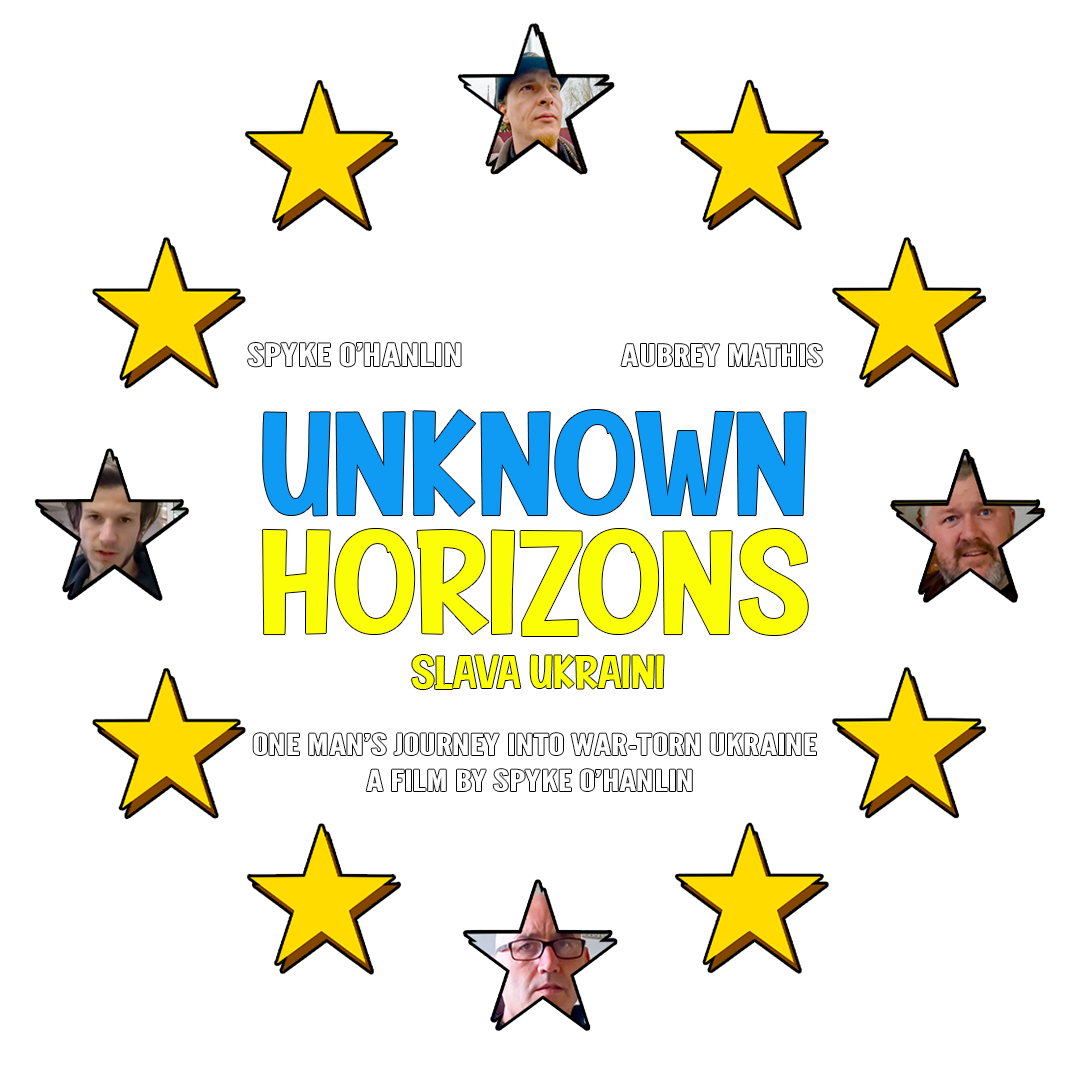
Unknown Horizons wasn’t planned.
It couldn’t be.
This was my first time leaving the UK — and I went straight into a war zone on an independent humanitarian mission. No insurance, no crew, and no safety net. Just instinct, a camera, and the understanding that if I made the wrong move, I could end up detained… or worse.
There was no production plan. No shot list. No narrative structure.
Just survival — and footage.
The Approach
For most of post-production, it felt like I was trying to conduct a symphony from a pile of mismatched notes.
There was no clean beginning, middle, and end.
So instead of forcing one, I started listening.
Reviewing everything. Reordering. Reframing. Letting patterns emerge naturally instead of imposing them too early.
The narrative didn’t come from planning —
it revealed itself through repetition.
Draft after draft, something started to take shape.
Not a timeline.
A truth.
The Turning Point
Everything changed when I finally understood the story I was trying to tell.
Not the events.
Not the footage.
The meaning behind it.
Once that clicked, the rest of the process shifted from chaos to structure.
The Outcome
This was a one-man project, built over three years, under difficult personal and external circumstances.
And it worked.
Not because it was perfect —
but because it was honest.
The Reality
The hardest part wasn’t the edit.
It was everything around it.
Coming back from that environment meant dealing with things I hadn’t processed yet. The kind of experiences that don’t neatly translate into story — they sit with you, unresolved.
Over three years, I tried to build the film multiple times.
Each version felt wrong.
Not because the footage wasn’t strong — but because I didn’t yet understand what the story was.
The Execution
With a clear narrative in place, I could finally build properly:
Writing the narration script to anchor the story
Recording voiceover in a makeshift “studio”
Using green screen to create controlled, intentional visual moments
Structuring the edit around emotional and thematic beats instead of chronology
What started as scattered footage became something cohesive.
Not because it was planned that way —
but because it was understood.
The Takeaway
You can’t always start with structure.
Sometimes, all you have is fragments.
If that’s the case:
Don’t force the story too early.
Don’t pretend you understand it when you don’t.
Sit with it. Revisit it. Let it speak back.
Because sometimes the job isn’t to create the narrative—
It’s to discover it.