
Here you’ll find things like:
Creative development
How ideas are shaped, questioned, expanded, stripped back, and rebuilt.
Writing and structure
Notes on story, tone, pacing, character, message, and emotional direction.
Editing breakdowns
How raw material becomes something focused, watchable, readable, or ready to share.
Visual development
Artwork tests, design choices, layouts, mood, atmosphere, and promotional concepts.
Project strategy
How I approach audience, purpose, platforms, messaging, and long-term creative direction.
Behind-the-scenes thinking
The honest bit — what worked, what didn’t, what changed, and why.
I don’t believe good work appears fully formed. It’s built. Tested. Broken. Repaired. Rewritten. Reimagined.
This page is the workshop.
The engine room.
The bit behind the curtain.
Welcome to The Workings.
The Craft
This page shows what happens behind the finished piece.
Every project has a process. Sometimes it’s clean and structured. Sometimes it’s chaotic, messy, improvised, and held together with caffeine, instinct, and sheer refusal to quit. Most of the time, it’s both.
The Craft is where I share the development behind my projects — the planning, drafts, edits, experiments, story structure, visual tests, production notes, creative problem-solving, and all the strange little decisions that shape the final work.
This is for people who want to see how an idea becomes something real.
Whether I’m building a documentary, developing a book, editing a scene, designing promotional material, shaping a brand, or helping someone find the heart of their project, the process matters. It’s where the actual storytelling happens.
Turning Chaos Into Story: Finding Structure in Real Unscripted Footage
Editing · Story · Production
The Problem
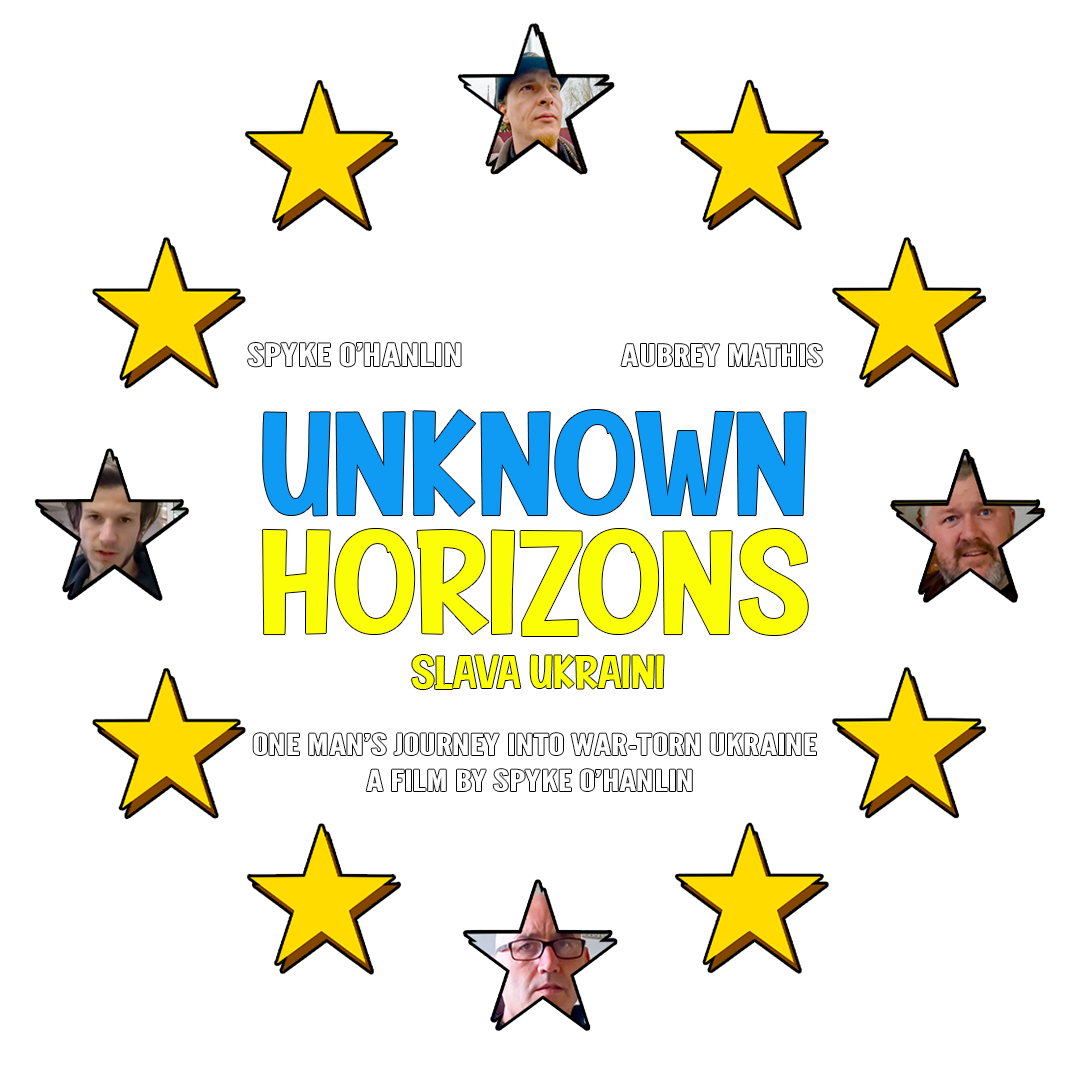
Unknown Horizons wasn’t planned.
It couldn’t be.
This was my first time leaving the UK — and I went straight into a war zone on an independent humanitarian mission. No insurance, no crew, and no safety net. Just instinct, a camera, and the understanding that if I made the wrong move, I could end up detained… or worse.
There was no production plan. No shot list. No narrative structure.
Just survival — and footage.
The Approach
For most of post-production, it felt like I was trying to conduct a symphony from a pile of mismatched notes.
There was no clean beginning, middle, and end.
So instead of forcing one, I started listening.
Reviewing everything. Reordering. Reframing. Letting patterns emerge naturally instead of imposing them too early.
The narrative didn’t come from planning —
it revealed itself through repetition.
Draft after draft, something started to take shape.
Not a timeline.
A truth.
The Turning Point
Everything changed when I finally understood the story I was trying to tell.
Not the events.
Not the footage.
The meaning behind it.
Once that clicked, the rest of the process shifted from chaos to structure.
The Outcome
This was a one-man project, built over three years, under difficult personal and external circumstances.
And it worked.
Not because it was perfect —
but because it was honest.
The Reality
The hardest part wasn’t the edit.
It was everything around it.
Coming back from that environment meant dealing with things I hadn’t processed yet. The kind of experiences that don’t neatly translate into story — they sit with you, unresolved.
Over three years, I tried to build the film multiple times.
Each version felt wrong.
Not because the footage wasn’t strong — but because I didn’t yet understand what the story was.
The Execution
With a clear narrative in place, I could finally build properly:
Writing the narration script to anchor the story
Recording voiceover in a makeshift “studio”
Using green screen to create controlled, intentional visual moments
Structuring the edit around emotional and thematic beats instead of chronology
What started as scattered footage became something cohesive.
Not because it was planned that way —
but because it was understood.
The Takeaway
You can’t always start with structure.
Sometimes, all you have is fragments.
If that’s the case:
Don’t force the story too early.
Don’t pretend you understand it when you don’t.
Sit with it. Revisit it. Let it speak back.
Because sometimes the job isn’t to create the narrative—
It’s to discover it.
Adapting Story for Attention: Turning Black Sandz Into a Motion Comic
Editing · Visual · Strategy
The Reality
This wasn’t a studio project.
No team. No pipeline. No shortcuts.
I started with what I had:
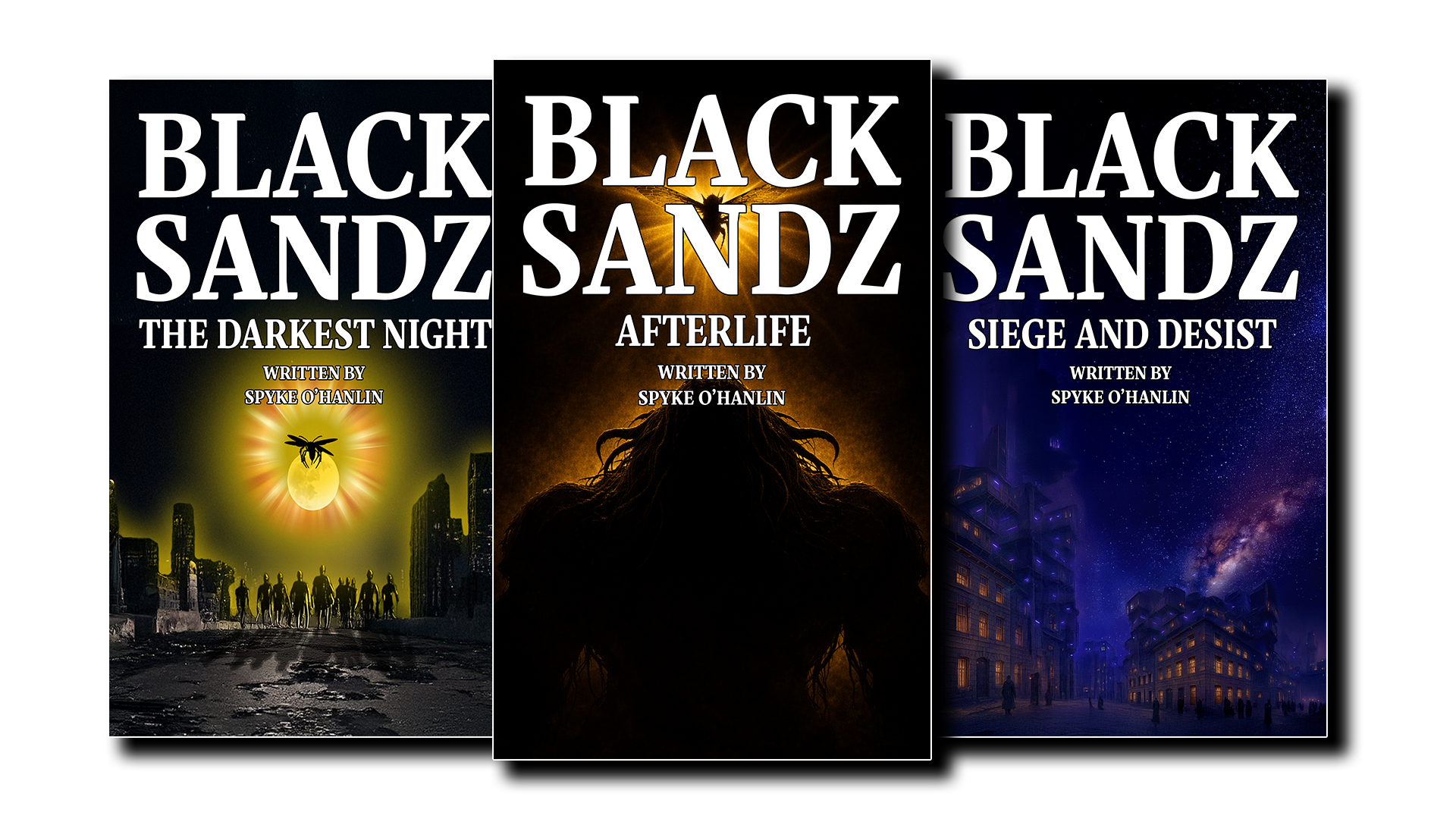
A narrated version of the first two books (performed in the style of Gwyneth Paltrow — not the real one)
My own recorded dialogue for the characters
From there, everything had to be constructed manually.
Every visual.
Every asset.
Nothing generated — built.
The Outcome
This isn’t a project I expect to “finish” in the traditional sense.
Adapting an entire book into this format, solo, is a massive undertaking.
But that’s not really the point.
It’s a passion project.
A way of bringing the world I created into a new form —
and seeing it move, breathe, and exist beyond the page.
The Problem
A book doesn’t automatically work on screen.
What reads well in prose — internal thoughts, slow tension, descriptive detail — doesn’t always translate when people are watching.
If anything, it can fall flat.
So the challenge wasn’t just to adapt Black Sandz —
it was to rebuild it for a completely different experience.
The Execution
The process evolved as the project grew.
At the start, everything was slow:
Designing and creating core visual assets from scratch
Establishing the look, tone, and visual language
Building the foundation before anything could move forward
But once that base existed, things changed.
I could:
Reuse and manipulate existing assets
Build new scenes faster
Focus more on pacing and structure instead of raw creation
From there, the comic was built scene by scene,
then chapter by chapter.
All assembled and edited in Adobe Premiere Pro — where everything finally came together.
The Approach
I didn’t treat it like a film.
I treated it like a hybrid format — somewhere between audiobook, comic, and cinema.
The goal wasn’t perfection.
It was engagement.
Instead of thinking in chapters, I started thinking in:
visual beats
pacing
moments that hold attention
Because if it doesn’t hold attention —
it doesn’t matter how good the story is.
The Takeaway
Different formats demand different thinking.
You can’t just transfer a story —
you have to translate it.
Prose becomes pacing
Description becomes visual shorthand
Internal becomes external
And most importantly:
If you’re building something like this alone,
you don’t need to finish everything.
You just need to build enough to prove it works.